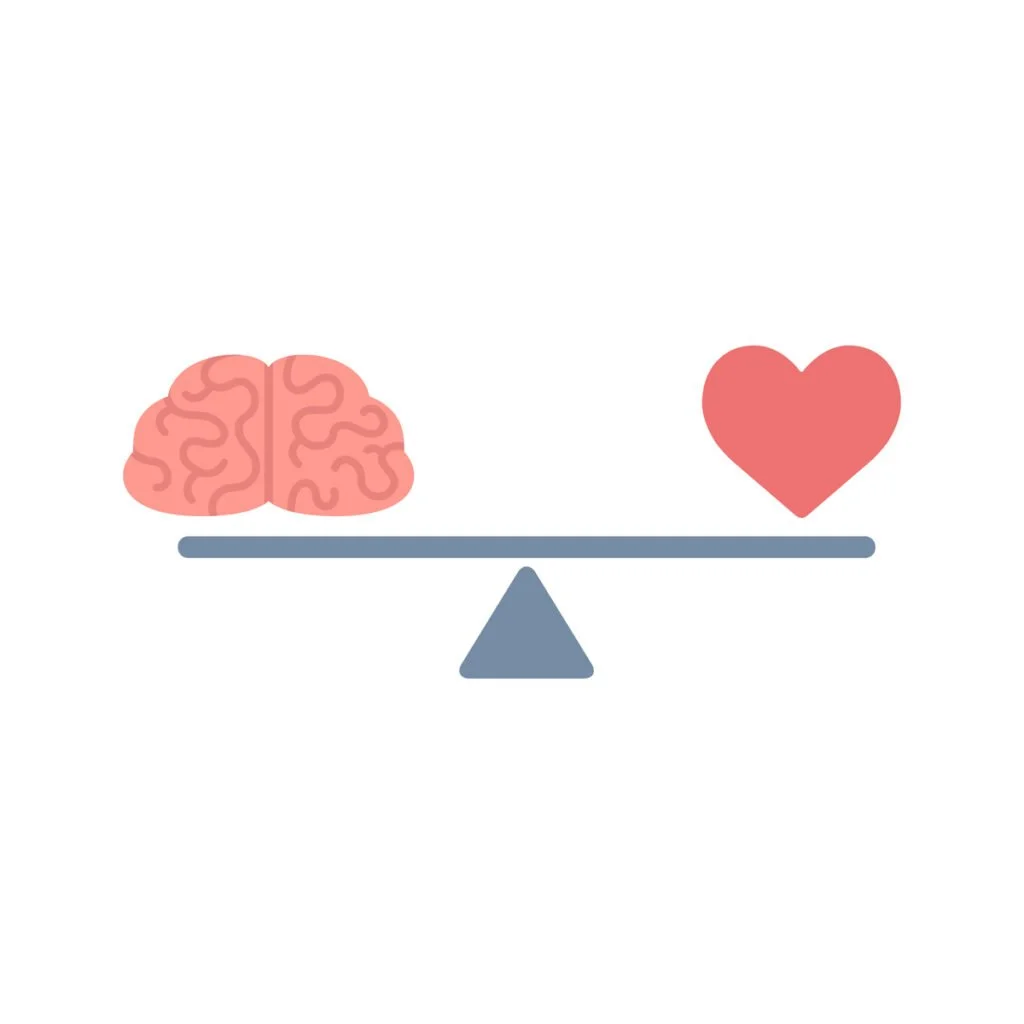
Finding Balance
College is exciting, but it can also feel overwhelming, especially when there’s no balance. Between classes, assignments, social life, and maybe even a job, it sometimes feels like there’s never enough time to breathe. When I first started college, I didn’t expect how much mental health, time management, and building good habits would affect everything I did. Over time, I’ve learned that success isn’t just about grades, it’s about balance. Here are some things that have helped me, and maybe they can help you too.
Post 1: Managing Time Without Burning Out

Time management sounds easy until you're actually in college. In the beginning, I would procrastinate and tell myself I “worked better under pressure,” but really, I was stressed and overwhelmed.
The Harvard Summer School Blog suggests breaking large goals into smaller ones and using a planner or calendar (“8 Time Management Tips for Students”). Once I started doing that, writing out my weekly assignments, planning study blocks, and scheduling breaks, I noticed I felt more in control.
Now, instead of last minute stress, I plan ahead. I’m not perfect at it yet, but even a rough schedule helps me balance work and fun without feeling exhausted.
Post 2: Taking Care of Mental Health
Mental health affects everything: focus, motivation, energy, and even grades. According to the American Psychological Association, stress and anxiety are becoming more common among college students (Abrams 2022). I didn’t realize how true this was until I started experiencing it myself.
On days when everything felt like too much, I tried pushing through, but that usually made things worse. Now, I’ve learned that rest is part of productivity. Working out, spending time with friends, and taking breaks between tasks help me reset.
Choosing mental health isn’t being lazy, it’s setting yourself up to do better.
Post 3: Healthy Habits Matter More Than You Think
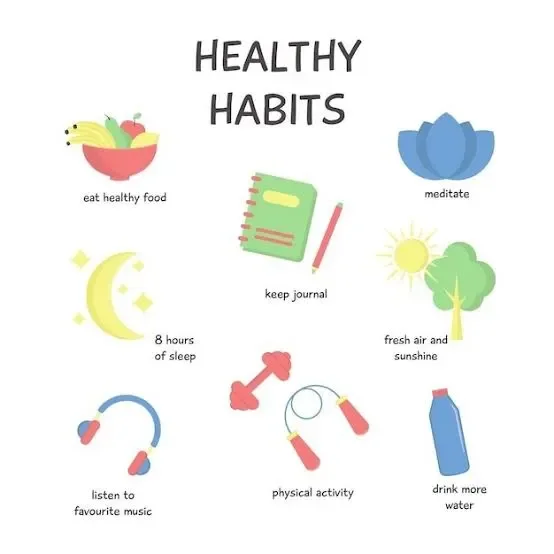
Small habits make a big difference. During the first few weeks of school, I stayed up late, skipped breakfast, and rushed through my days. I felt tired all the time, and I couldn’t figure out why.
Once I started prioritizing sleep, eating real meals, and drinking water (not just energy drinks), I noticed a huge change in my energy and focus. Research shows that students who practice healthy habits and manage their time report less anxiety and more satisfaction with school (Misra and McKean 2000). Even short walks, gym time, or stretching can help reduce stress.
Post 4: Getting Involved and Finding Your Place
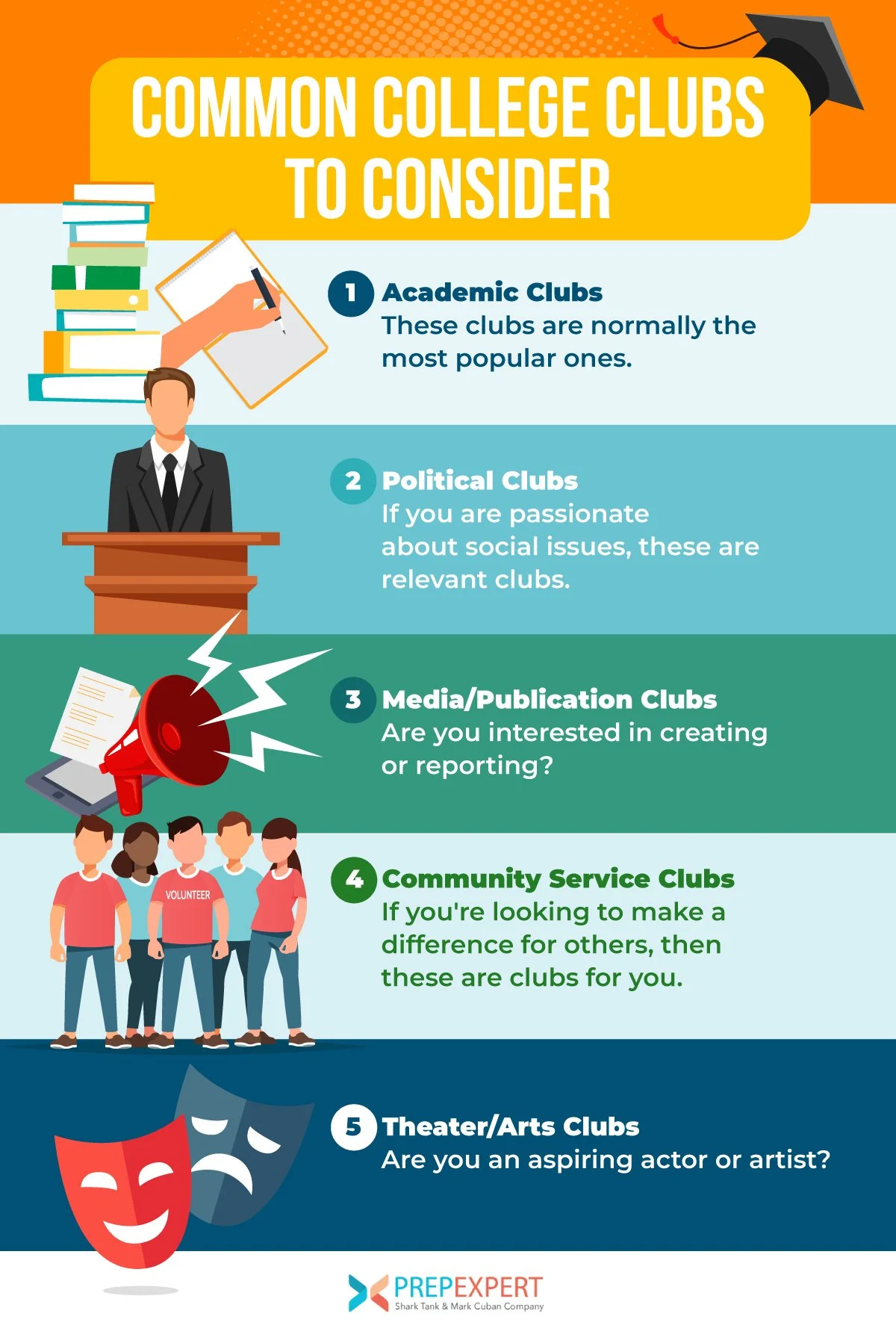
One thing I didn’t expect was how important community is. Joining clubs, Greek life, going to events, or even studying with friends helps you feel like you belong. Being involved has helped me make new friends, feel supported, and have something to look forward to beyond schoolwork. Personally, going through sorority recruitment was one of the best decisions I made because I met so many new friends along the way.
You don’t need to be in every club, just find something that feels right for you. The right community can push you, support you, and make college feel more meaningful.
Post 5: Staying Positive and Learning as You Go
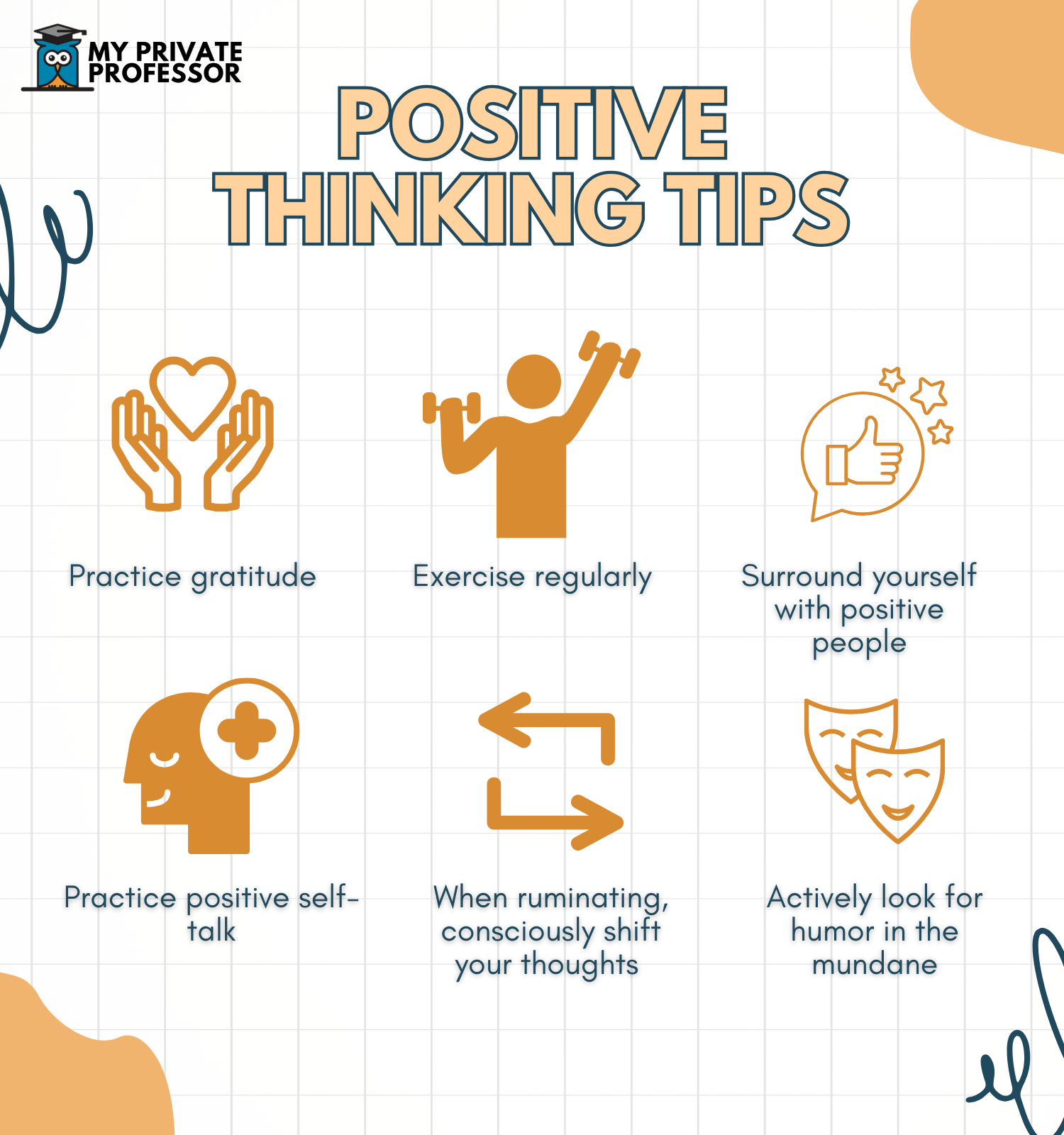
College comes with stress, mistakes, and changes, and that’s normal. When something doesn’t go as planned, I remind myself it’s part of learning. Having a positive mindset doesn’t mean pretending everything is perfect. It means not letting setbacks stop you.
Balance isn’t doing everything perfectly. It’s figuring out what works, adjusting when needed, and taking care of yourself along the way. Remember, a glow stick has to break before it glows.
Final Thoughts
Finding balance between school, mental health, and personal life takes practice. Some weeks will feel easy, and others will feel impossible, and that’s okay. Small steps like planning ahead, moving your body, and connecting with others can make a huge difference.
If you’re still figuring it out, you’re not alone. College isn’t just about getting a degree. It’s about becoming someone stronger, healthier, and finding yourself along the way.
Works Cited
Abrams, Zara. “Student Mental Health Is in Crisis. Campuses Are Rethinking Their Approach.” Monitor on Psychology, American Psychological Association, 12 Oct. 2022, www.apa.org/monitor/2022/10/mental-health-campus-care.
Ahmed, Masood. “Cultivating Healthy Habits: A Guide to a Better You | by Masood Ahmed | Medium.” Cultivating Healthy Habits: A Guide to a Better You, 26 Nov. 2024, medium.com/@itsmasood0343/cultivating-healthy-habits-a-guide-to-a-better-you-f040bec17e5b.
Caron, Liz. “The Mental Health Benefits of Fitness: How Exercise Boosts Your Mind.” CrossFit Calypso, 26 Mar. 2025, www.crossfitcalypso.com/blog/the-mental-health-benefits-of-fitness-how-exercise-boosts-your-mind.
Hernandez, Lucila. Rambassadors, 10 Dec. 2019, blogs.farmingdale.edu/sites/rambassadors/2019/12/balancing-my-study-life-with-my-social-life/.
Lparsons. “8 Time Management Tips for Students.” Harvard Summer School, 21 Nov. 2024, summer.harvard.edu/blog/8-time-management-tips-for-students.
Marcus, Todd. “Common College Clubs to Consider.” Prep Expert, 13 Nov. 2019, prepexpert.com/common-college-clubs/.
Misra, Ranjita. “(PDF) College Students’academic Stress and Its Relation to Their Anxiety, Time Management, and Leisure Satisfaction.” College Students’academic Stress and Its Relation to Their Anxiety, Time Management, and Leisure Satisfaction, Jan. 2000, www.researchgate.net/publication/209835950_College_students’academic_stress_and_its_relation_to_their_anxiety_time_management_and_leisure_satisfaction.
Schapiro, Lydia. “The Power of Positive Thinking for Students - My Private Professor.” My Private Professor - Inspire. Empower. Achieve. Lead., 12 Dec. 2023, myprivateprofessor.com/positive-thinking-for-students/.
Vijaykumar. “10 Time Management Tips for Students.” ISHCMC, 4 Nov. 2025, www.ishcmc.com/news-and-blog/time-management-skills-for-students/.